What is normal wear and tear? How it differs from damage
By Claire Navarro -
Normal wear and tear is the gradual decline of a rental home that comes from people living in it the way the lease expects: paint that fades, carpet that flattens along the hallway, a door handle that loosens after a few thousand turns. Damage is harm beyond that, caused by an accident, carelessness or misuse, such as a hole kicked in a door or a carpet ruined by pet stains.
The difference matters most at move-out. In general, a security deposit can cover the cost of damage and unpaid amounts the lease allows, and normal wear and tear stays with the property owner as a cost of owning a rental. This guide explains how to tell the two apart, gives a side-by-side list of common examples, works a move-out for an invented duplex and covers the records that make a deduction easy to explain. It is general information and is not legal advice. Deposit rules are set by each state, and some cities add their own, so check the rules where the property is before you deduct anything.
What is normal wear and tear?
Normal wear and tear is deterioration that happens over time even when a tenant takes reasonable care of the home. It comes from ordinary living and the passing of time.
Three questions help sort a borderline item:
- Would a careful tenant have caused it anyway? Sun-faded paint and worn traffic paths in carpet appear in any home that is lived in.
- Did one event cause it? A spill, a fall, a burn or a pet accident points to damage.
- How long was the tenancy? More years of living mean more expected wear. A scuffed wall after six years is normal; the same wall after six months may point to something more.
Wear and tear vs damage: common examples
| Item | Usually normal wear and tear | Usually damage |
|---|---|---|
| Walls and paint | Faded or lightly scuffed paint, a few small nail holes from pictures | Large holes, crayon or marker, a color painted without permission |
| Carpet | Flattened or worn paths in high-traffic areas, slight fading | Burns, tears, large stains, pet urine or odors |
| Floors | Dull finish, light surface scratches | Deep gouges, water damage from a leak left unreported |
| Doors and fixtures | Loose handles, worn hinges, sticking locks | Broken doors or frames, missing fixtures |
| Windows and blinds | Sun-faded blinds, worn cords | Broken glass, bent or missing slats |
| Kitchen and bath | Worn grout, minor wear on counters | Cracked tile, burns on counters, a broken toilet lid |
| Appliances | Parts that wear out with normal use | Damage from misuse, such as a broken shelf or door |
Every item here depends on the facts. A few nail holes are part of living somewhere; dozens of anchor holes across every wall are more than that. Write down what you see and why you placed it in one column or the other.
Charge for the life that was left
When something is damaged, a fair charge usually reflects the value the item had left. Carpet, paint and appliances all wear out on their own, so part of their cost was always going to be yours.
Suppose a bedroom carpet cost $2,000 and you expect a carpet like it to last 10 years. It loses $200 of value a year. If a tenant ruins it with pet stains after 6 years, $1,200 of its value was already used up by normal wear, and the 4 years left were worth $800. A deduction of up to $800 matches the loss; charging the full $2,000 would bill the tenant for 6 years of wear.
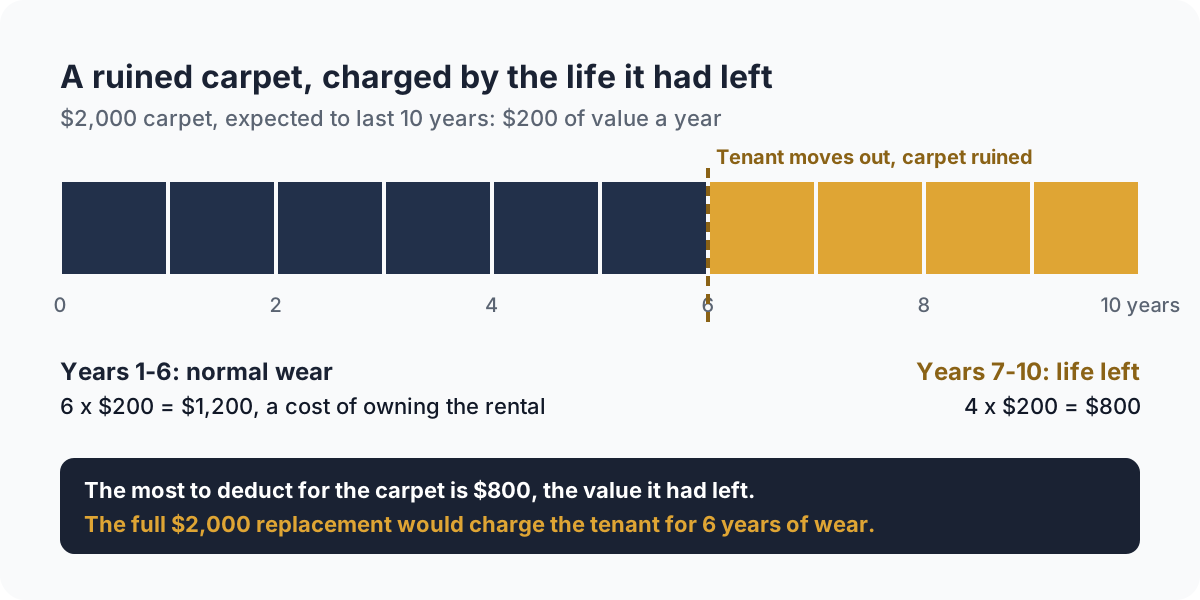
Your own replacement records are the best guide to how long items last in your properties. Use the age on your receipt, and when you do not know an item's age, say how you estimated it.
A worked move-out: the Willow Street duplex
A tenant leaves unit B of the invented Willow Street duplex after a three-year lease. The deposit is $1,800. You walk the unit with the move-in checklist and photos and find:
- Faded paint in the living room and a few small nail holes where pictures hung. Wear.
- A worn path across the hallway carpet. Wear.
- The bedroom carpet ruined by pet stains. It cost $2,000 six years ago and you expected 10 years from it. Damage, charged at its remaining value: $200 x 4 = $800.
- A hole through the bathroom door. The replacement door cost $240, with a receipt. Damage.
- A dull finish on the kitchen floor. Wear.
The itemized statement:
| Item | Amount |
|---|---|
| Security deposit held | $1,800 |
| Bedroom carpet, 4 of 10 years of life left ($2,000 / 10 x 4) | ($800) |
| Bathroom door replacement, receipt attached | ($240) |
| Total deductions | ($1,040) |
| Returned to the tenant | $760 |
The arithmetic: $800 + $240 = $1,040 of deductions, and $1,800 - $1,040 = $760 back to the tenant. The paint, the hallway carpet and the kitchen floor stay off the list, because they are the wear any three-year tenancy leaves behind.
Records that make deductions easy to explain
Most disputes over a deposit come down to what the unit looked like on the first day. A few habits settle that question:
- A move-in checklist, signed by both sides. Room by room, with the condition of walls, floors, fixtures and appliances.
- Dated photos and video at move-in and move-out. Same rooms, same angles, so the two sets compare easily.
- Receipts and estimates for every deduction. A charge backed by a receipt is easy to explain.
- Purchase dates for carpet, paint and appliances. They are what a remaining-life charge is built on.
- A written, itemized statement sent on time. Your state sets the deadline and what the statement must include.
Keep the deposit in its own column of the tenant's account, apart from the rent balance, so deductions and refunds are easy to follow. The rent ledger and tenant ledger guide shows that layout. If your state requires interest on deposits, the security deposit interest calculator estimates it.
Wear, damage and your taxes
Repairs you make for normal wear and tear are generally operating expenses of the rental. Deposit money you keep to cover damage is generally rental income in the year you keep it, and the repair it pays for is an expense. Replacing a whole carpet or an appliance is usually treated as an improvement and depreciated over several years; the rental property depreciation calculator shows how depreciation works for the building itself. A tax professional can confirm how these rules apply to you.
Frequently asked questions
What is normal wear and tear?
It is the gradual decline of a rental home from ordinary, reasonable use over time, such as faded paint, worn carpet in walkways and loose hardware. It is a cost of owning a rental, and in general a security deposit cannot be used to pay for it.
Are small nail holes normal wear and tear?
A few small holes from hanging pictures are usually treated as normal wear. Many large holes, or anchors that tear the drywall, are more likely to be damage. Check your lease and your state's rules, since some leases set terms for hanging items.
Can I charge the full cost of a new carpet?
Usually the fair charge is the value the carpet had left. A $2,000 carpet expected to last 10 years and ruined after 6 years had 4 years, or $800, of life left, so $800 is the most to charge for it.
Does a longer tenancy mean more wear and tear?
Yes. The longer someone lives in a home, the more wear is expected. Scuffs and worn carpet after several years are normal; the same marks after a few months may point to damage.
What records help if a tenant disputes a deduction?
A signed move-in checklist, dated move-in and move-out photos, receipts or estimates for each repair, and the age of each item you charged for. Together they show what changed and what it cost.
Keep the deposit and the paperwork in one place
A fair deduction is easier when the records are already together. In KeyRing, each lease keeps a security deposit ledger, shown on the lease: what was collected, deductions, interest and refunds. You can also send tenants a move-in checklist and file receipts and other documents to the property, unit, lease or tenant they belong to. See what KeyRing does or how plans are priced.